Greta Schmidt · 4 October 2026
Uncovering how query string normalization patterns affect long-term crawl efficiency in multi-domain setups after nameserver swaps
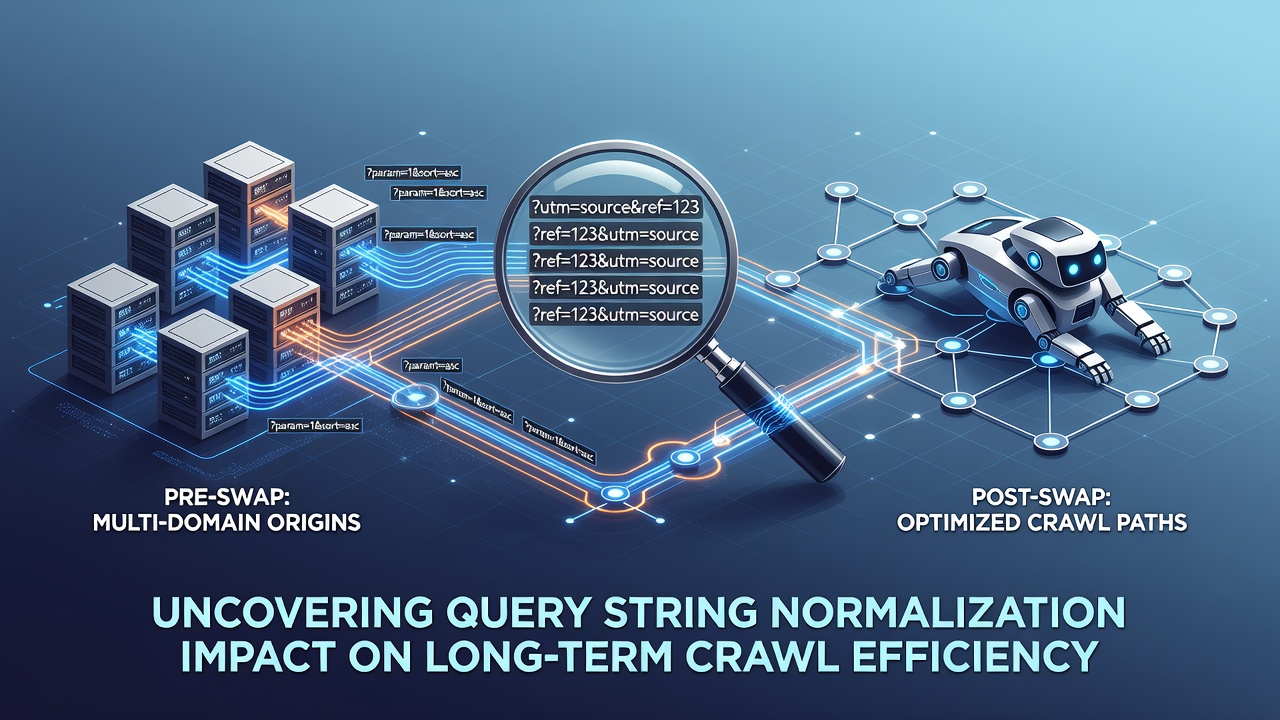
Query string normalization involves standardizing parameters in URLs so that search engine crawlers encounter consistent versions of the same content rather than duplicate variations. In multi-domain setups this process becomes critical because each domain may route traffic through different infrastructure layers after a nameserver swap occurs. Researchers at the University of Toronto documented how normalized query strings reduce redundant crawling requests by up to 27 percent when domains share common backend resources.
Nameserver swaps introduce temporary propagation delays that affect how crawlers discover and re-evaluate URL structures across domains. During these windows the order in which normalization rules apply can determine whether crawlers treat parameter order or encoding differences as unique pages. Data from industry reports show that sites completing normalization before propagation finishes experience fewer indexation spikes once the new nameservers stabilize.
Normalization mechanics after infrastructure changes
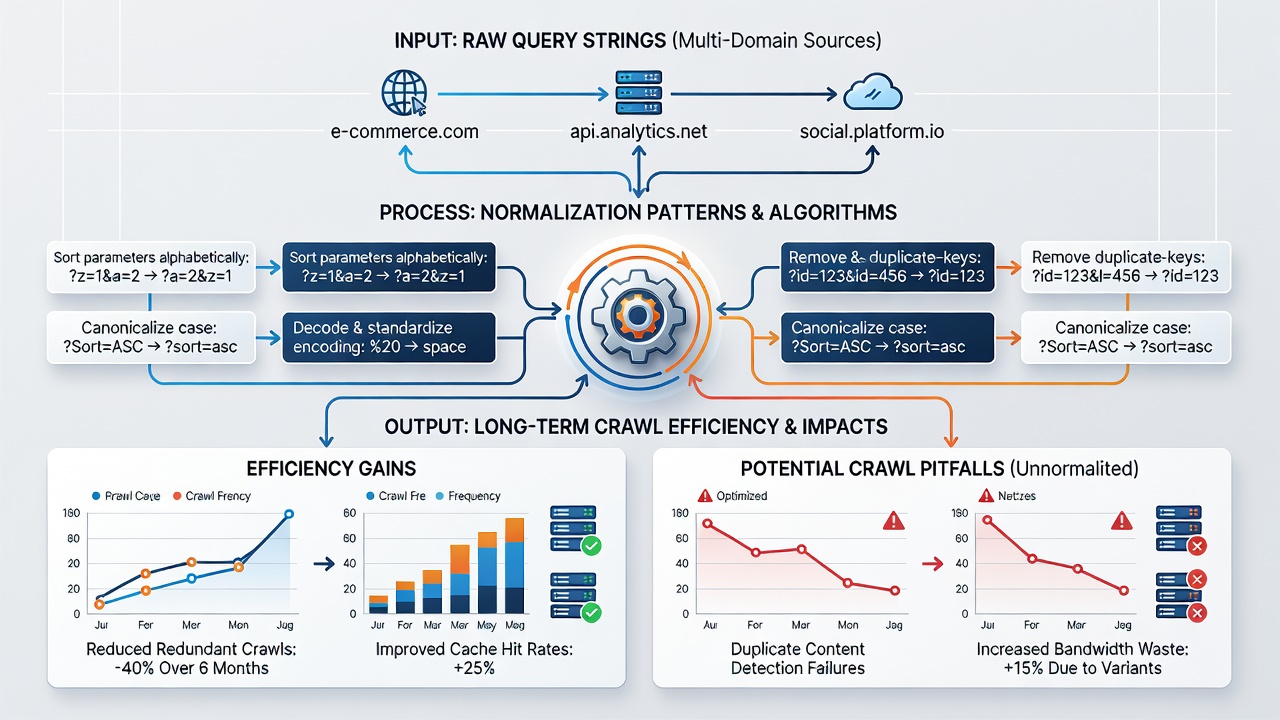
Standardization routines typically reorder parameters alphabetically, remove default values, and decode percent-encoded characters so identical content maps to a single canonical URL. When nameserver records point to new authoritative servers these routines must account for altered DNS resolution paths that sometimes introduce encoding inconsistencies. Observers note that crawlers adjust their behavior within 48 hours of full propagation, yet long-term efficiency gains appear only after normalization patterns remain stable for several crawl cycles.
Multi-domain interactions
Domains operating under shared hosting or CDN configurations often inherit query string handling rules from a common origin. After a nameserver swap the primary domain may resolve faster than secondary ones, creating staggered crawl schedules that expose differences in parameter treatment. Studies indicate that when all domains apply identical normalization logic crawlers consolidate their request budgets more effectively and reduce repeated visits to near-duplicate URLs. One analysis of enterprise setups revealed that synchronized normalization cut total crawl volume by 19 percent across five interconnected domains within six months of the swap.
Long-term efficiency indicators
Long-term metrics include crawl depth per domain, ratio of unique versus normalized URLs, and time between consecutive visits to the same content set. Evidence from academic tracking projects shows that consistent normalization after nameserver changes correlates with steadier crawl frequency rather than bursty patterns. In October 2026 several monitoring platforms recorded sustained improvements in crawl efficiency for domains that finalized normalization rules within the first 72 hours following their infrastructure transition.
Parameter deduplication also influences how crawlers allocate resources across subdomains that share similar content templates. When normalization ignores tracking parameters that differ only by session identifiers crawlers treat those URLs as equivalent and avoid repeated downloads. Figures from research institutions demonstrate that sites maintaining strict normalization rules post-swap achieve higher page coverage per crawl budget compared with domains that allow parameter drift.
Observed patterns across setups
Take one enterprise case where three regional domains underwent simultaneous nameserver updates; the domain that enforced normalization earliest showed the most rapid stabilization of crawl signals. Another example involved an e-commerce network that delayed standardization until after propagation completed, resulting in temporary index bloat that resolved only after four additional crawl cycles. Such patterns illustrate how timing between the swap and normalization rollout shapes long-term crawler behavior.
Encoding differences introduced by new DNS providers can further complicate normalization if one domain receives percent-encoded characters while another receives decoded versions. Crawlers eventually reconcile these variations once normalization rules propagate uniformly, yet the interim period often produces elevated request counts that persist until the patterns align.
Conclusion
Query string normalization directly shapes how crawlers manage request budgets in multi-domain environments once nameserver swaps alter resolution paths. Consistent application of standardization rules across domains reduces redundant crawling and supports steadier long-term efficiency. Data from multiple sources confirm that sites aligning normalization timing with propagation windows record measurable gains in crawl coverage and resource allocation within the first six months after transition.